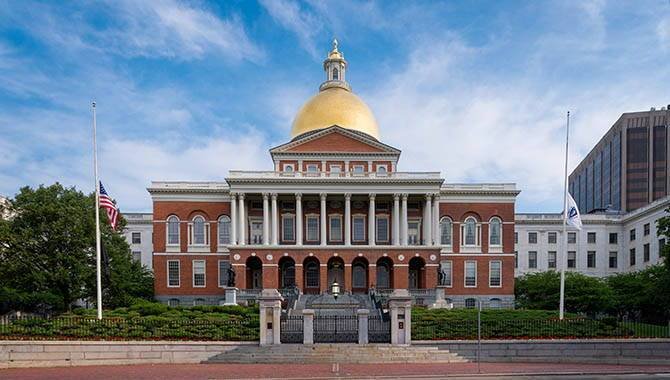
The Massachusetts House of Representatives on Tuesday casted a ballot for Bill H.4879, an Act that would approve legitimate on the web and land-based games wagering in the state.
Heading to the senate for additional discussion before the current administrative meeting closes on Friday, the new proviso to sports betting enactment and the kind of business relationship it would explicitly allow, whenever passed, would be a first.
The bill imagines three explicit classifications of wagering licenses: Hybrid on the web/land-based wagering for the states club administrators; in-person wagering for state courses; and a Category 3 permit for any Massachusetts-authorized dream sports administrator that is additionally authorized for legitimate games wagering in any event two different US states.
No state has as of now endorsed understandings where sports class contracts get an off-the-top cut of bets on wagers set on an associations challenges, which the group would gather regardless of the games result or the sportsbooks income.
Companies that meet the measures for permitting can demand an impermanent permit to begin offering wagering, if they present an underlying permit expense of $50k. In time theyll need to pay a $250k application expense for a five-year permit, which can be reestablished for extra five-year durations at $100k.
If endorsed, betting licensees will pay 15% charge on their wagering income, in addition to an extra 1% of income got from occasions at neighborhood sports settings, the estimation of which will be conveyed to the administrators of those scenes with the end goal of sports betting security and trustworthiness.
To date, just Tennessee and Illinois are regarded fit to remember such compulsory utilization of class information for their wagering enactment. Be that as it may, Massachusetts will go above and beyond by approving groups to go into business concurrences with wagering licensees to partake in the incomes got from bets put on a particular classes games.
HB 4879 is relied upon to travel through the House decently effectively, with classes not required to acquire licenses or some other endorsement from state controllers to partake in the wagering abundance.